Public Art for Chicago Schools
Bring Murals and Public Art to Your Chicago School
Music House connects Chicago Public Schools with professional artists to create murals, sculptures, and community-driven public art.
Experienced CPS arts partner
Professional mural and installation artists
Community engagement
School-friendly project planning
TYPES OF SCHOOL PUBLIC ART PROJECTS
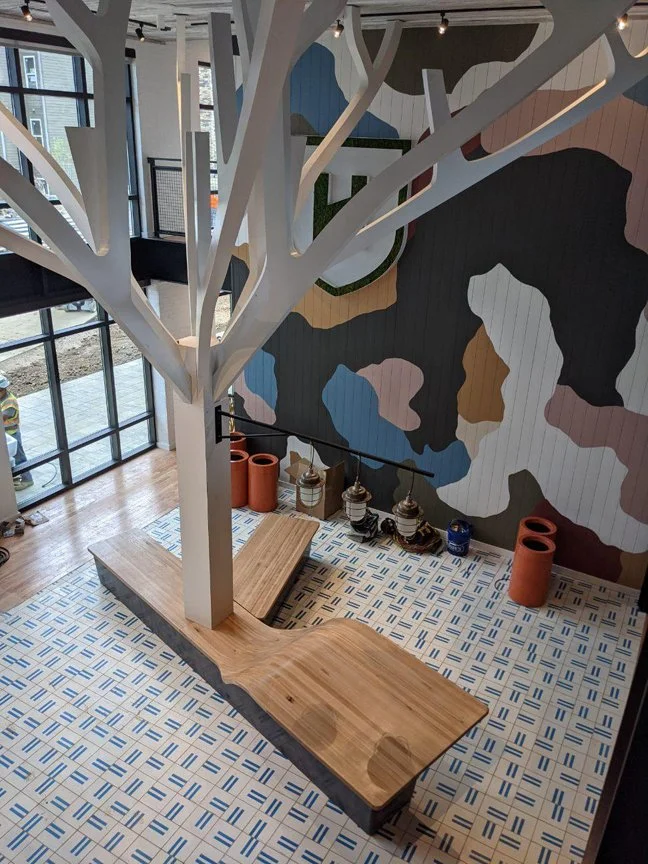
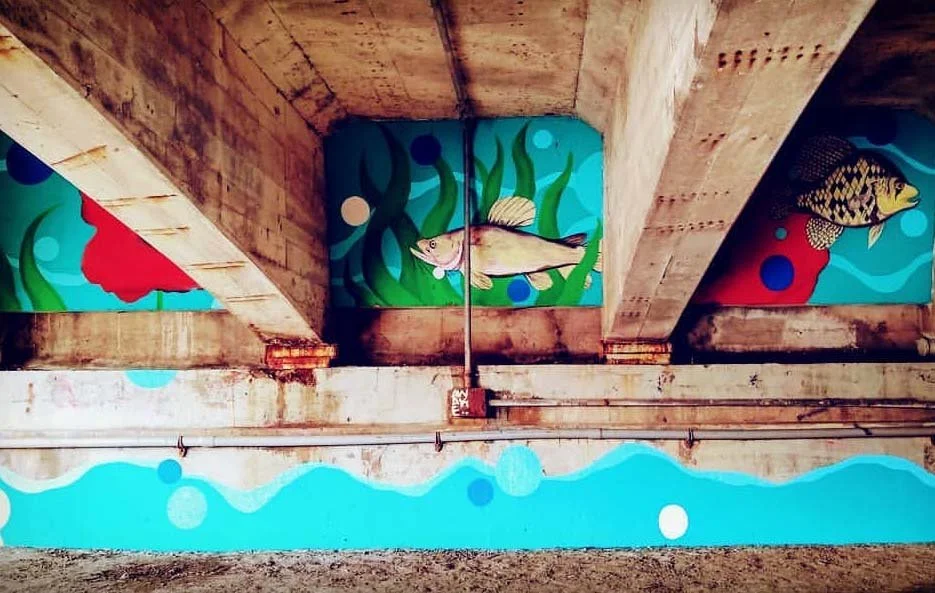
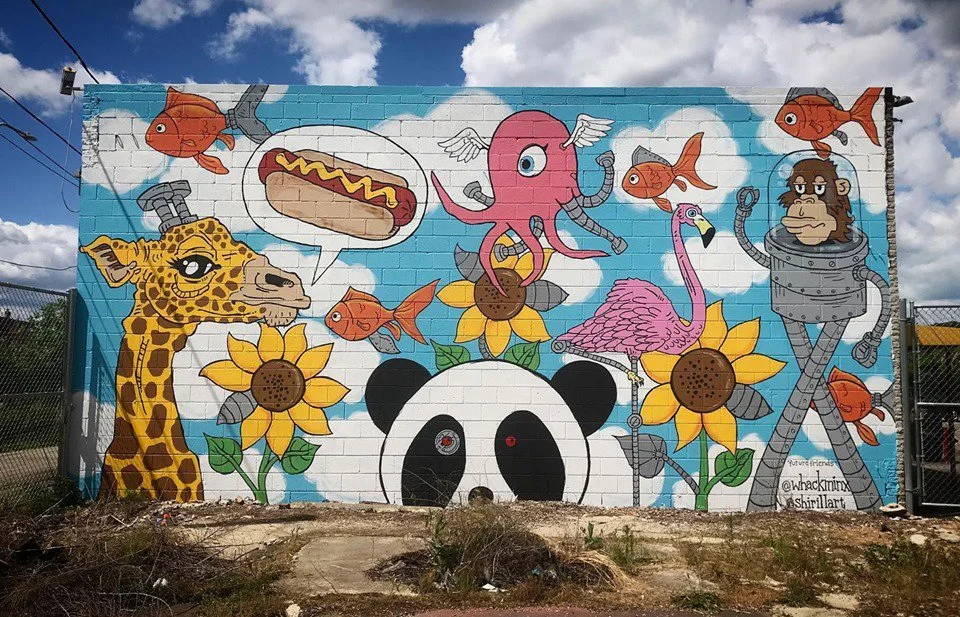
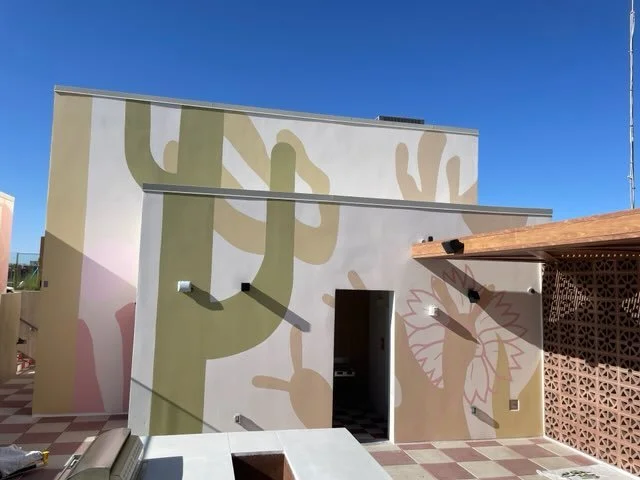
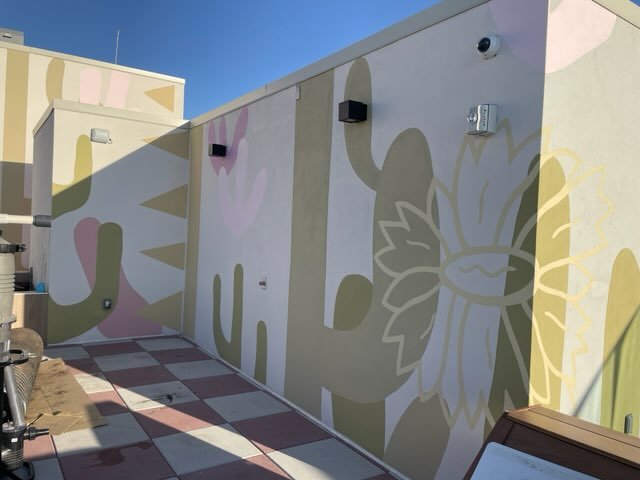
Murals: Large wall paintings inside or outside school buildings
Mosaic / Tile Art: Durable decorative installations
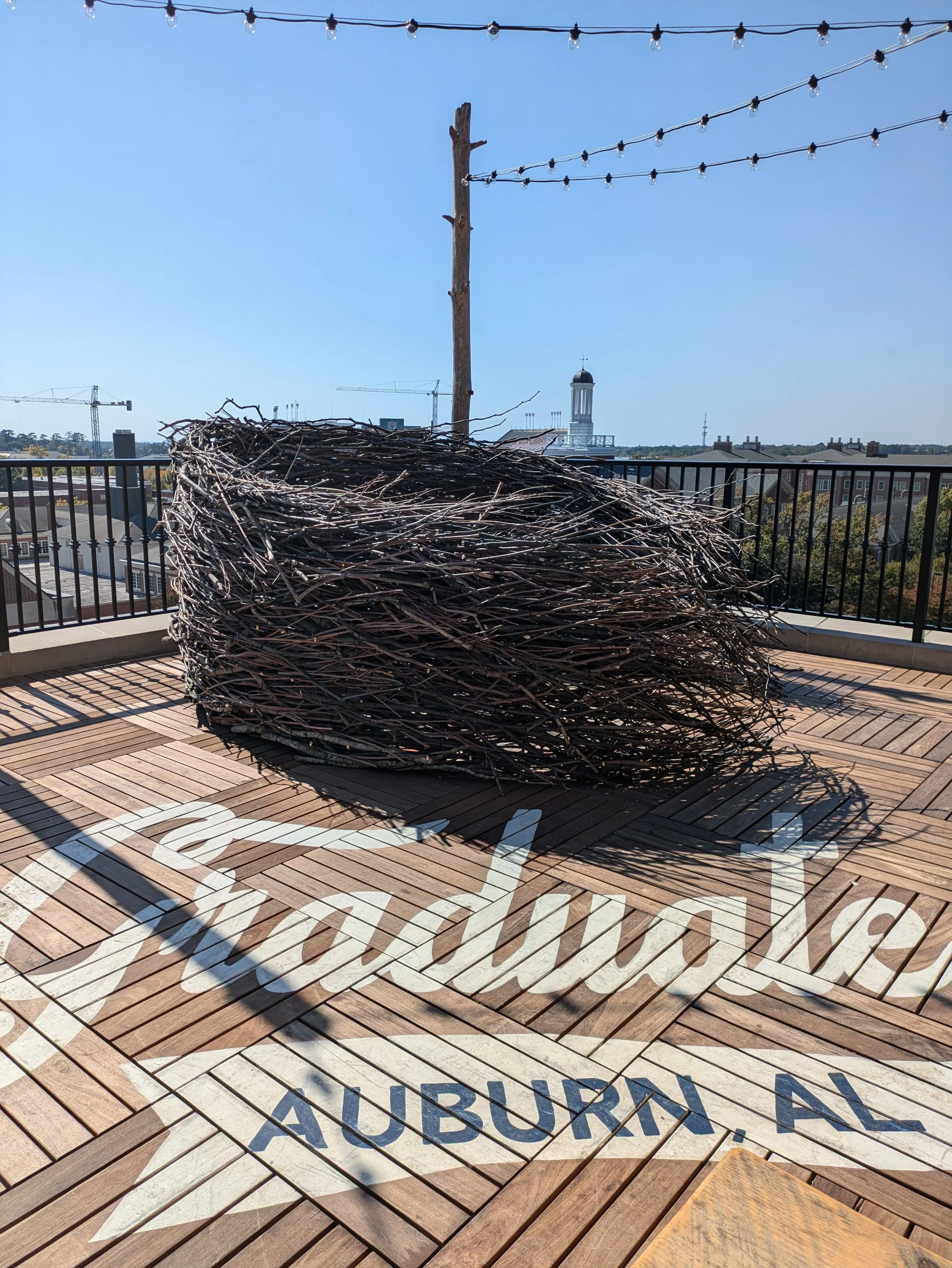
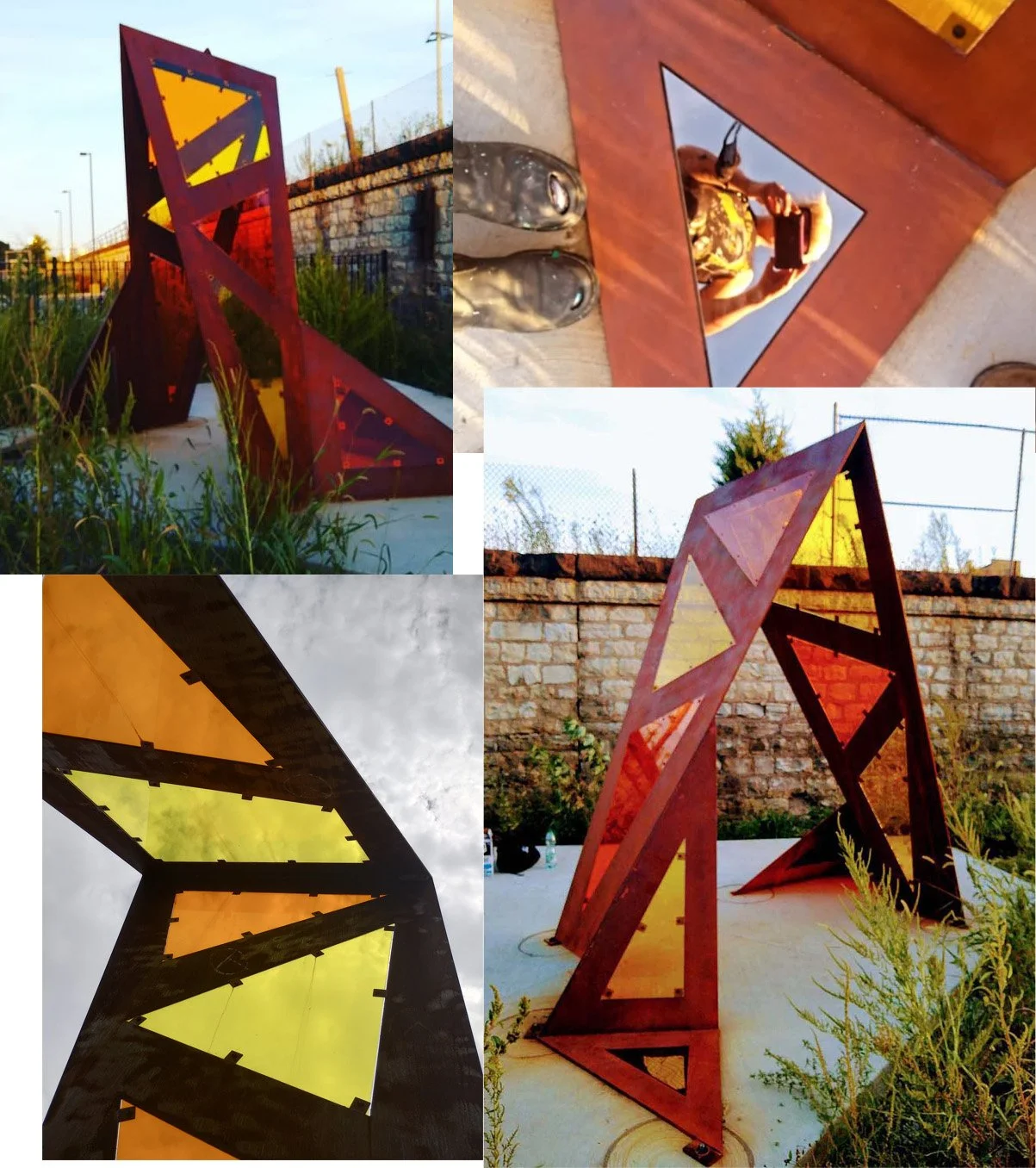
Sculptural Installations: Outdoor or lobby artwork
Student Collaboration Projects: Artwork created with student participation
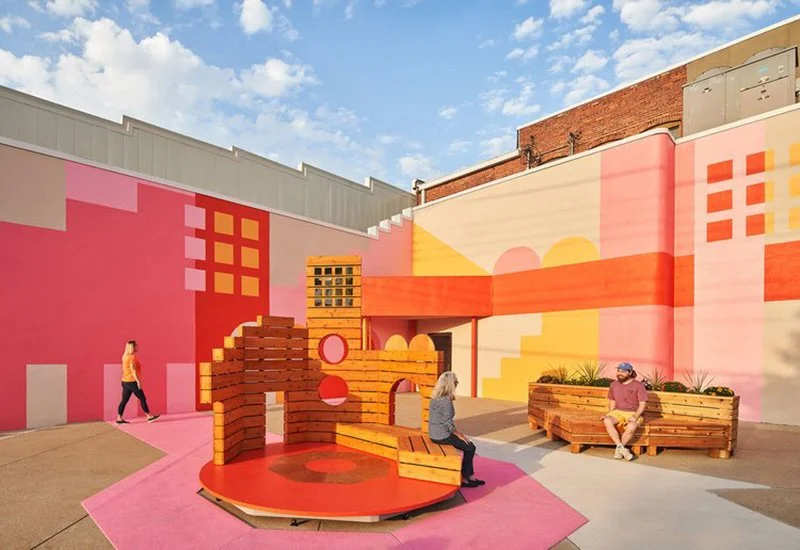
Community Identity Walls: Artwork reflecting neighborhood culture
HOW A SCHOOL ART PROJECT WORKS
Step 1: Discovery meeting with school leadership
Step 2: Artist selection and concept development
Step 3: Community input and design refinement
Step 4: Project planning and approvals
Step 5: Artwork installation
Step 6: Community unveiling and celebration
FAQ
-
Schools often fund public art through:
• Parent organizations / Friends of School NFPs
• Grants and arts partnerships
• School discretionary funds
• Community fundraising
• Local cultural initiatives
Music House can help guide schools through the planning process.
-
This depends on the scope of the project.
-
You can choose the artist, start with one of our vetted, professional artists. If you have your own, they can work with us for your project.
-
Yes, the artwork should reflect your school culture.
-
Yes, all of our artists have experience installing their artwork. We are also working with Callahan Art & Associates to install the art as per CPS guidelines.
-
Yes! (Andrea Jablonski can do this, Robert Valadez and Nick Fisher would need to be asked first)
Meet the Artists
-
Nick “Sick” Fisher
Contemporary large-scale murals
-
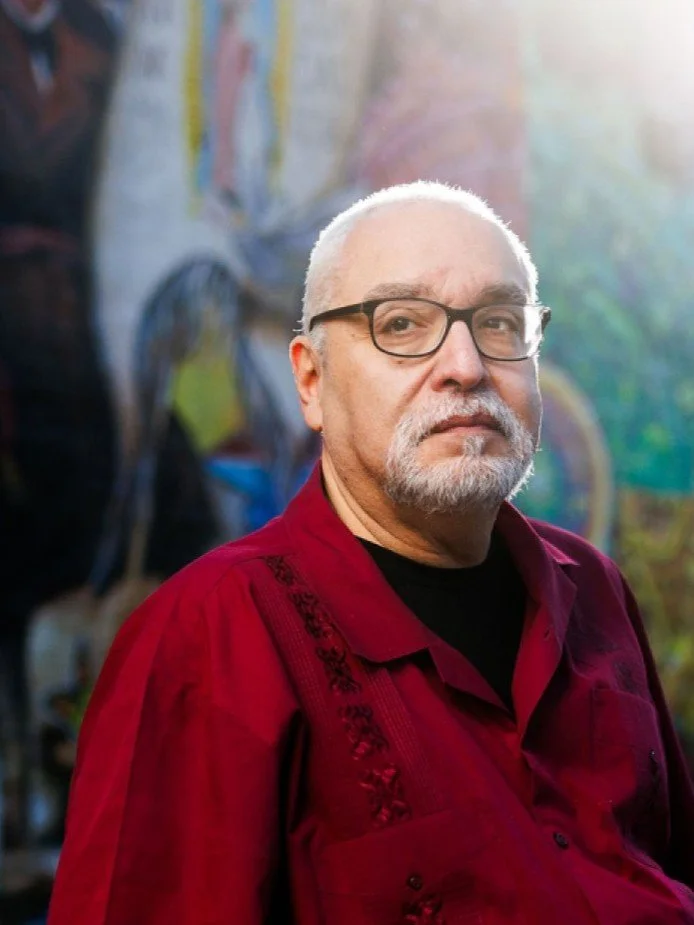
Robert Valadez
Community muralist
Cultural storytelling -
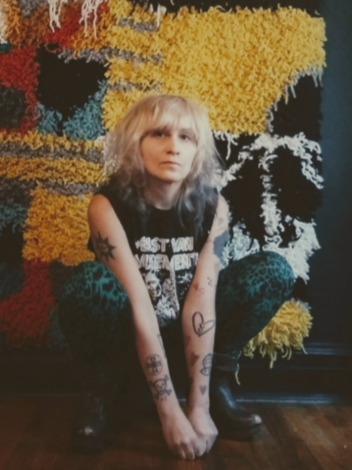
Andrea Jablonski
Sculptural installations
Interactive art
Nick “Sick” Fisher
Contemporary large-scale murals
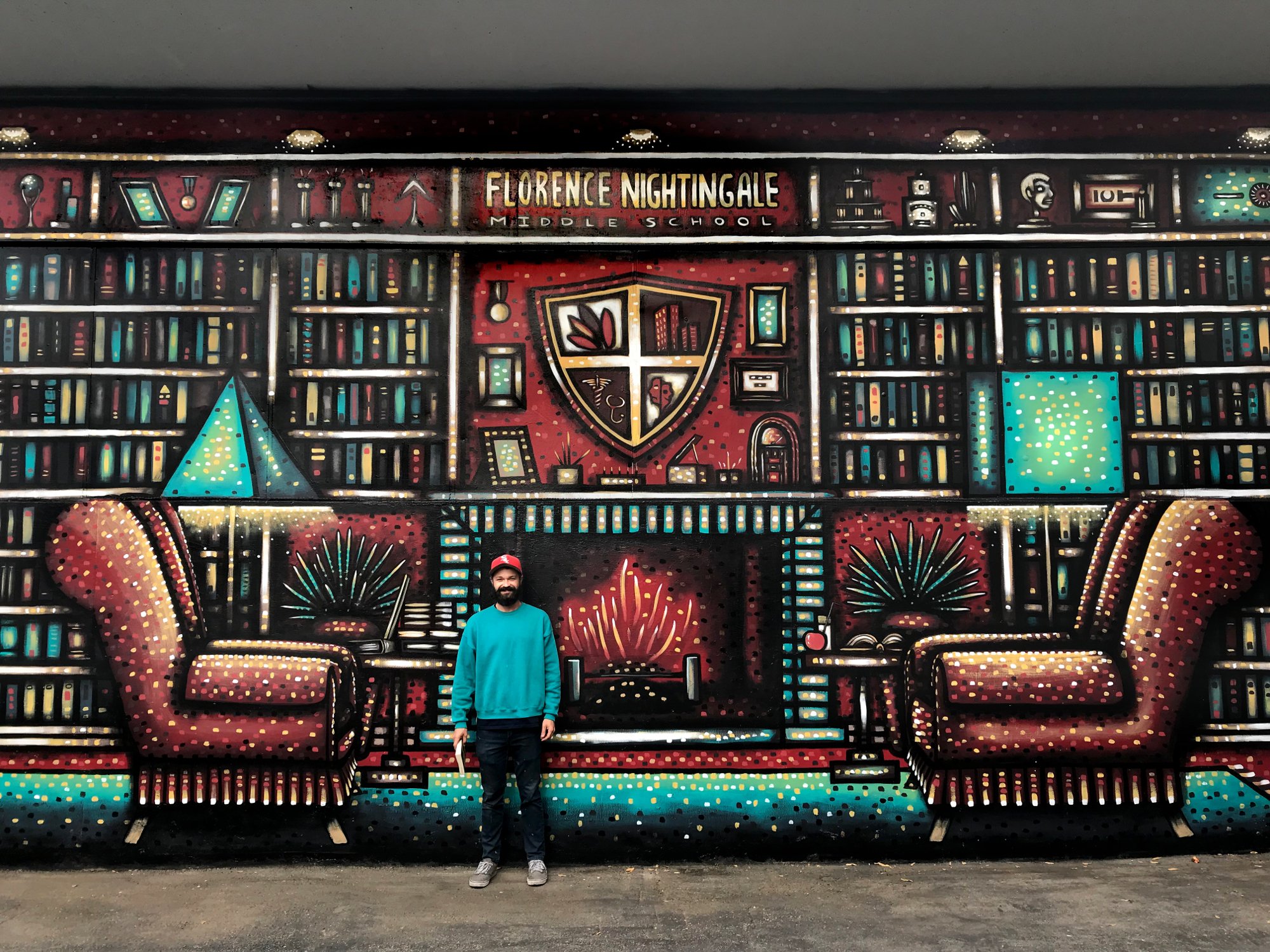
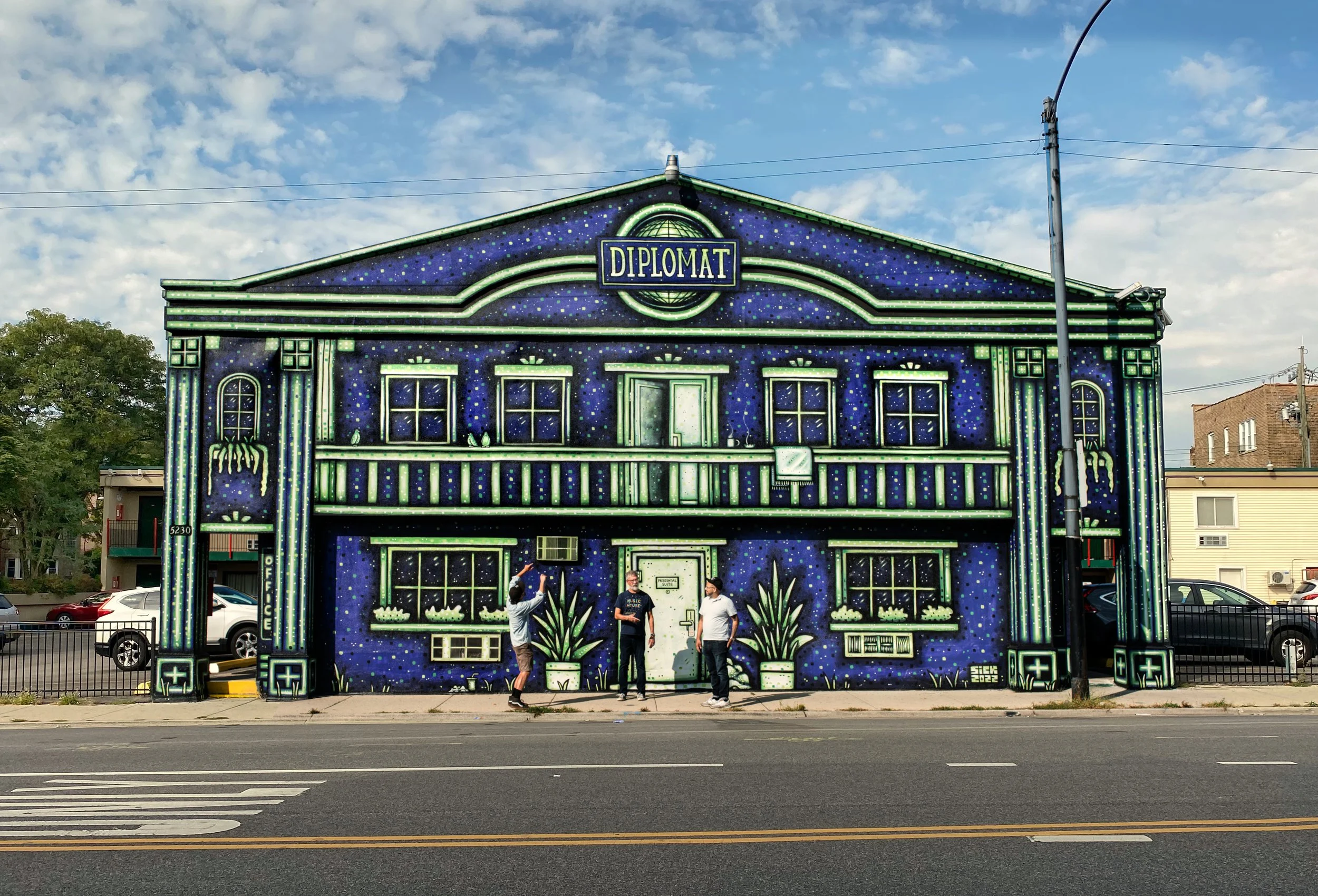
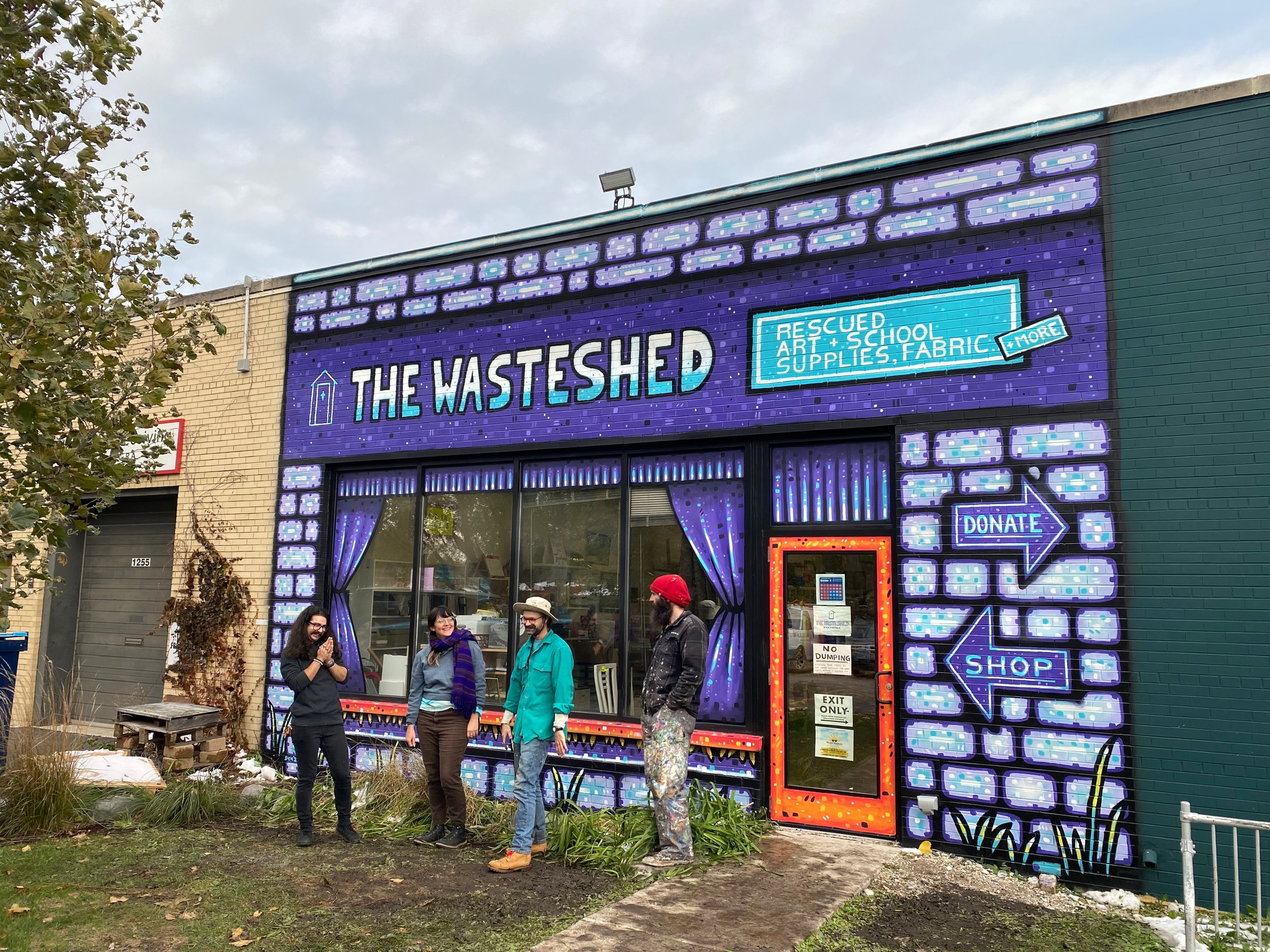
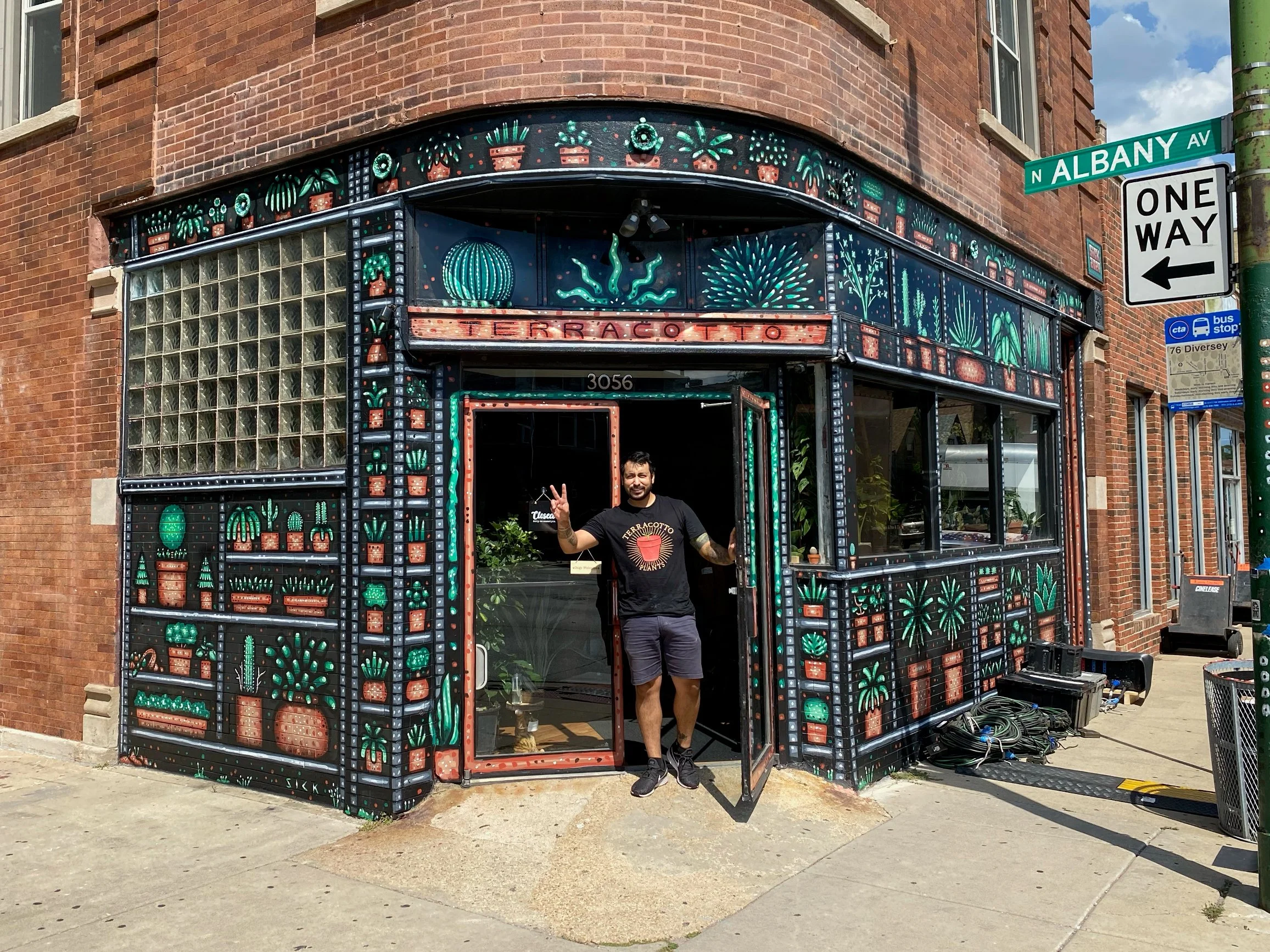
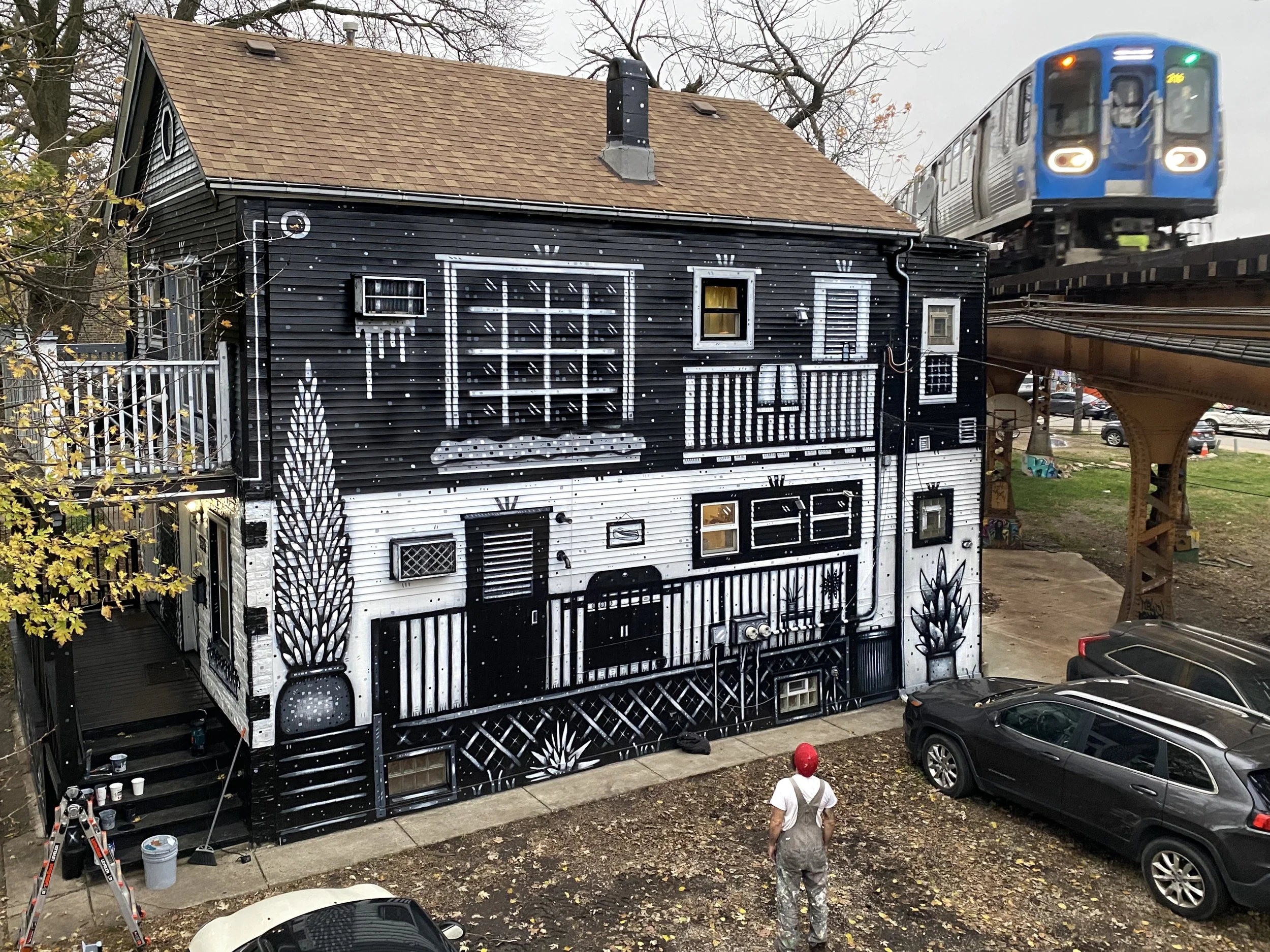
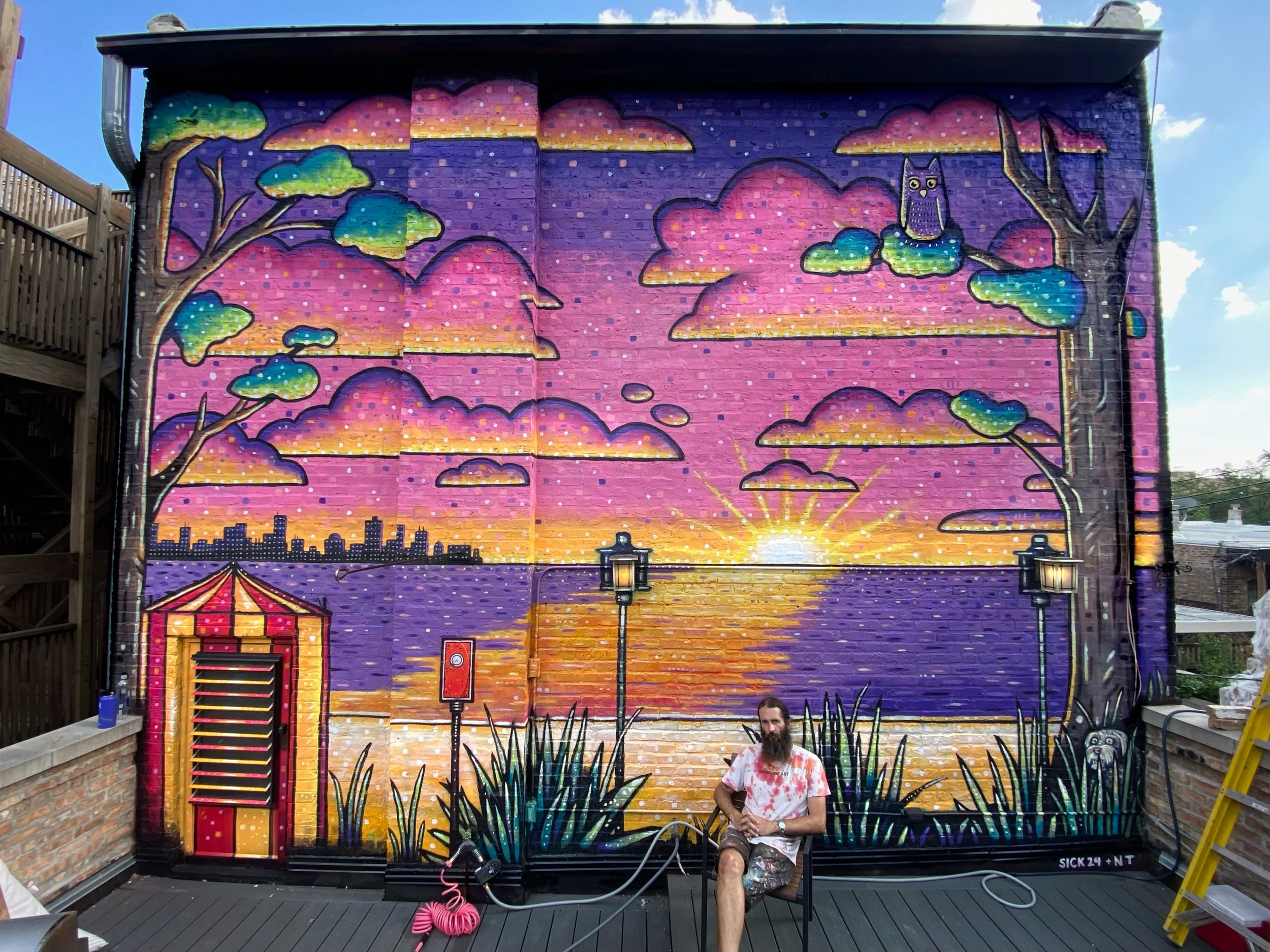
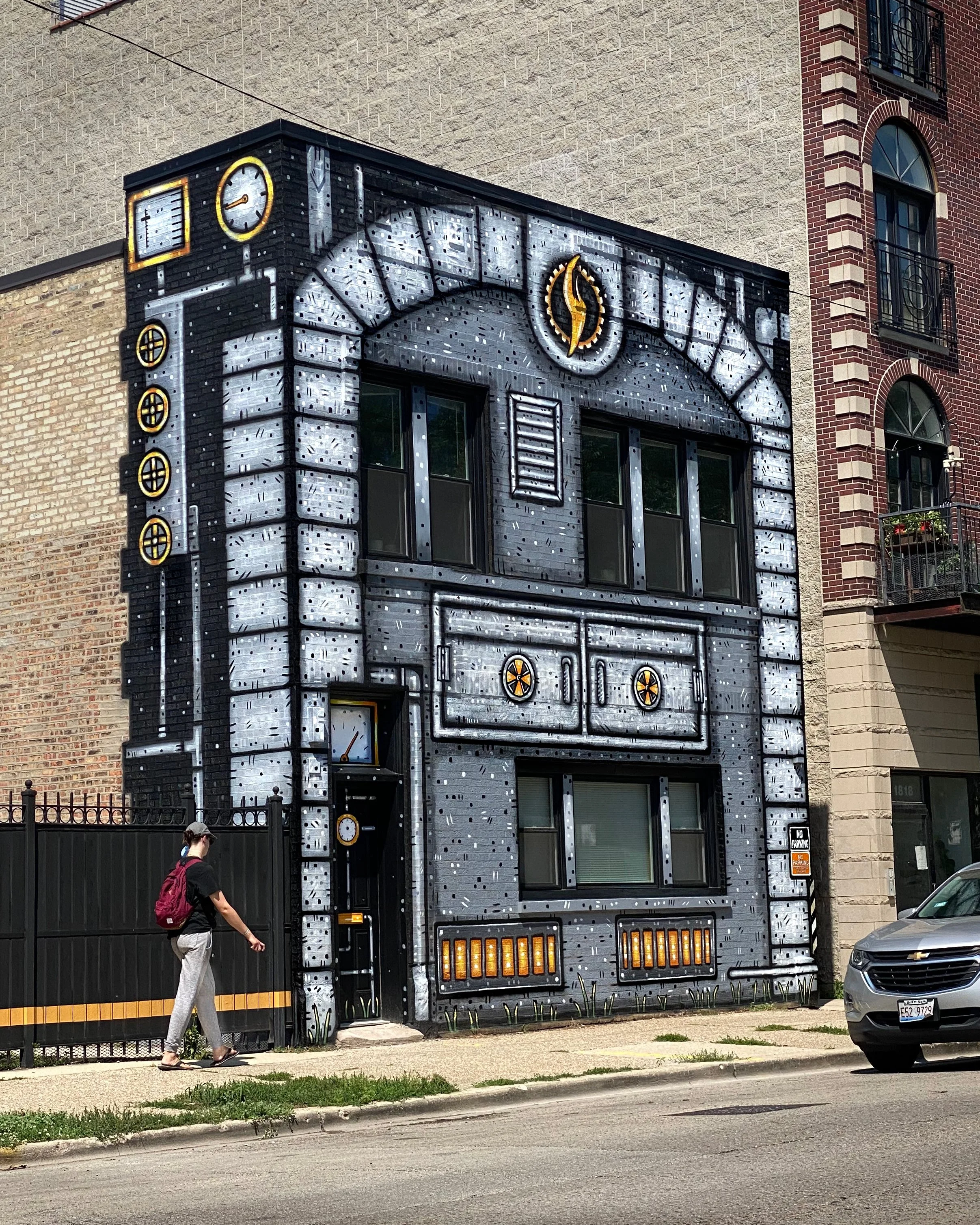
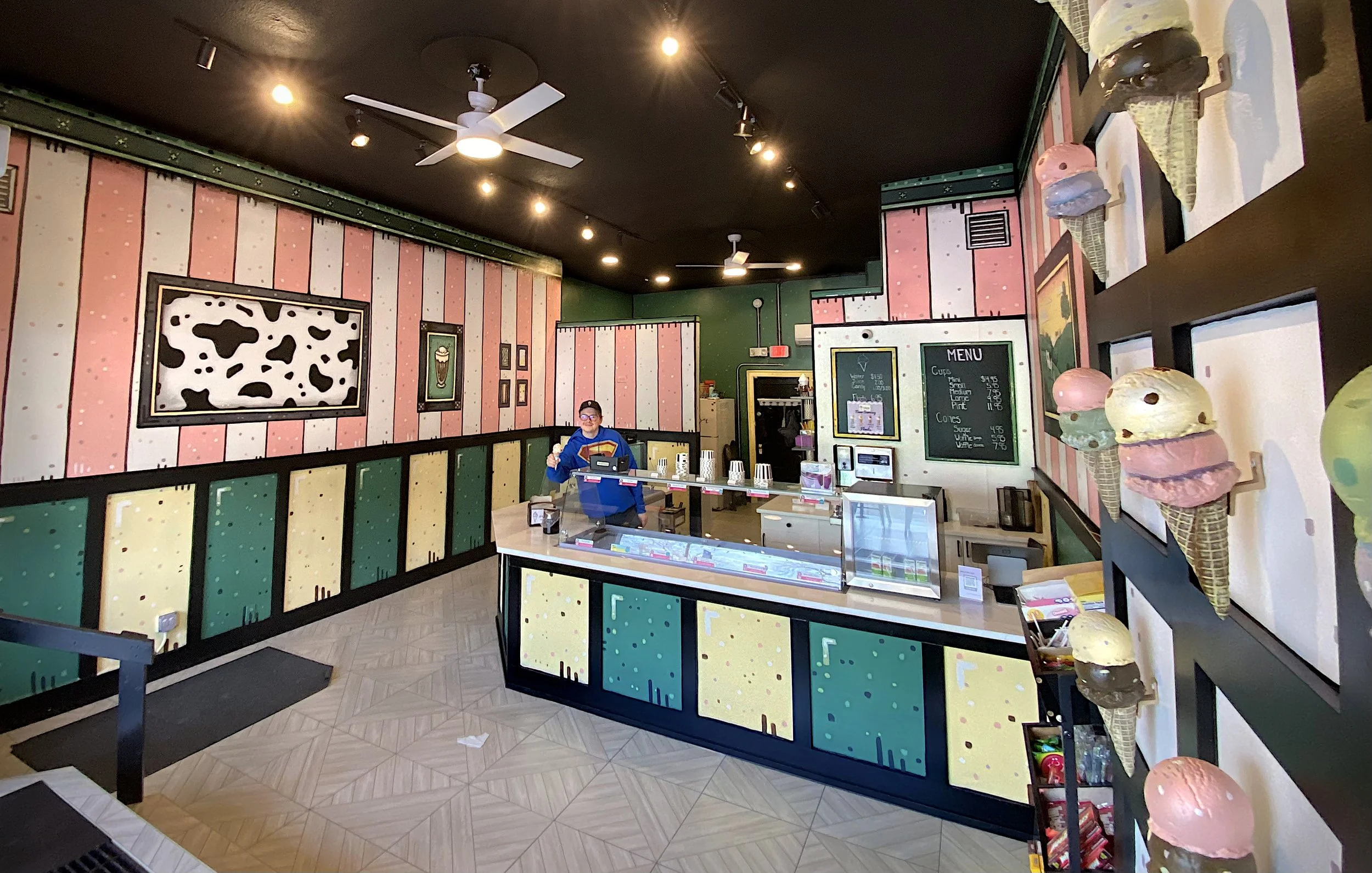
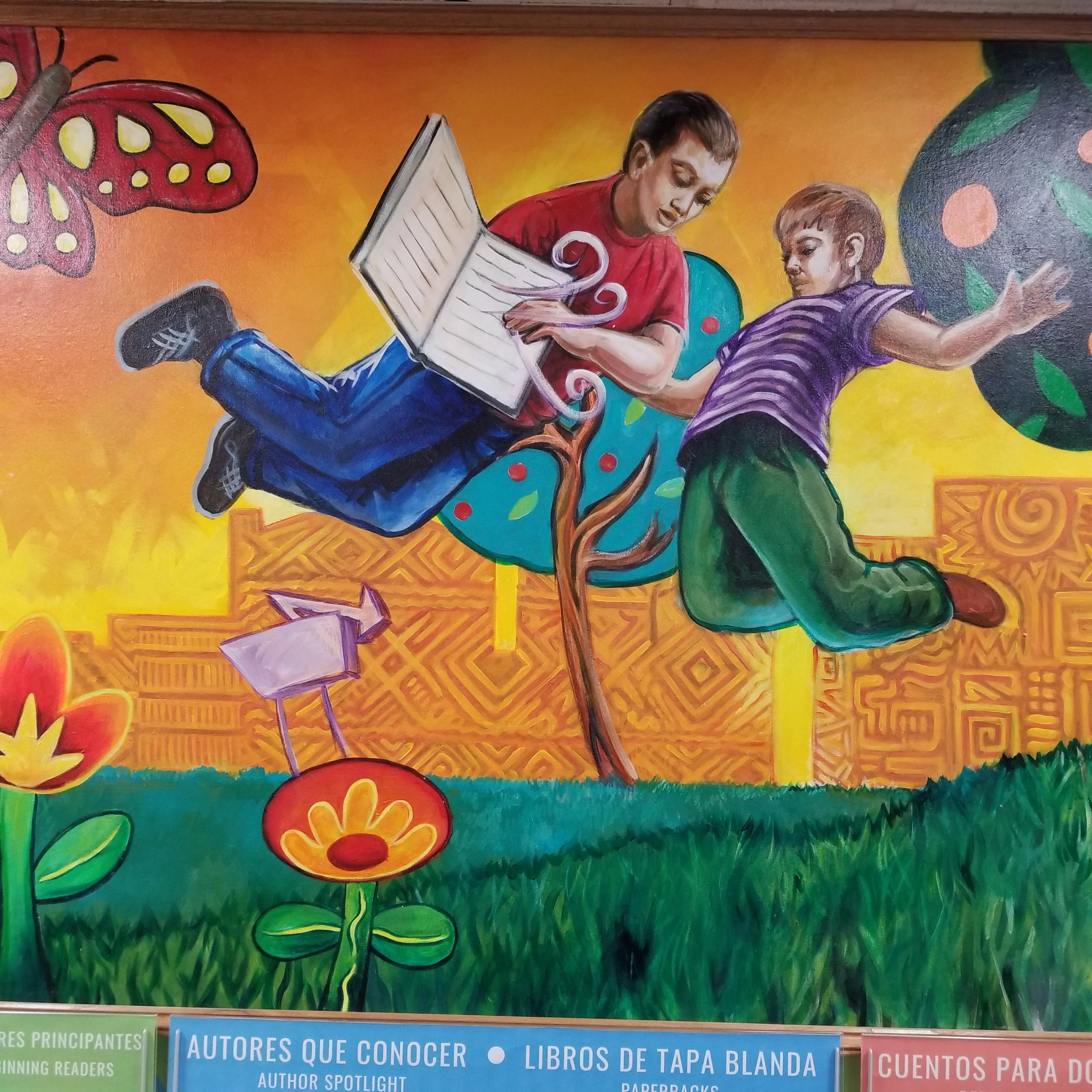
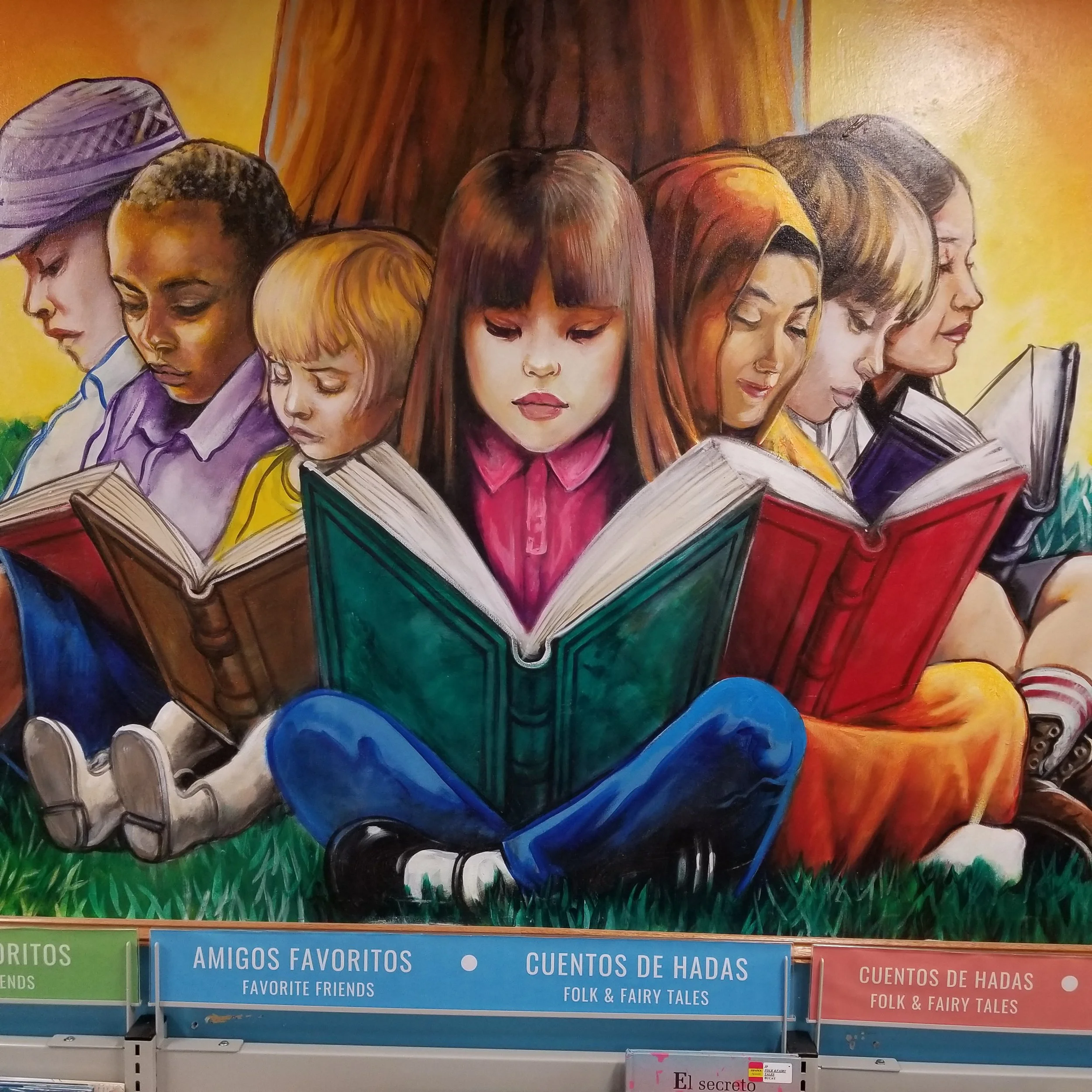
My murals are rooted in community connections and neighborhood identity. I work with schools, businesses, aldermen, and local organizations to design pieces that reflect the people who live with them. At Florence Nightingale Middle School in Los Angeles, I created “The Reading Room,” a mural for the quiet kids of the playground, giving them a space that affirmed their place in the school community. In Chicago, I painted “Big Fruit” on Howard Street, commissioned by the Rogers Park Business Alliance, where its placement above one of the city’s busiest train stations turned a blank wall into a daily landmark for thousands of residents. Many of my murals are collaborations with community members, such as “The Presidential Suite,” commissioned by the 40th Ward and Music House, which envisioned a renewed identity for Lincoln Avenue. My work is about storytelling through color and scale—making art accessible, joyful, and reflective of the cultures that shape each neighborhood. Every project is an opportunity to translate community voices into lasting, visible symbols of belonging.


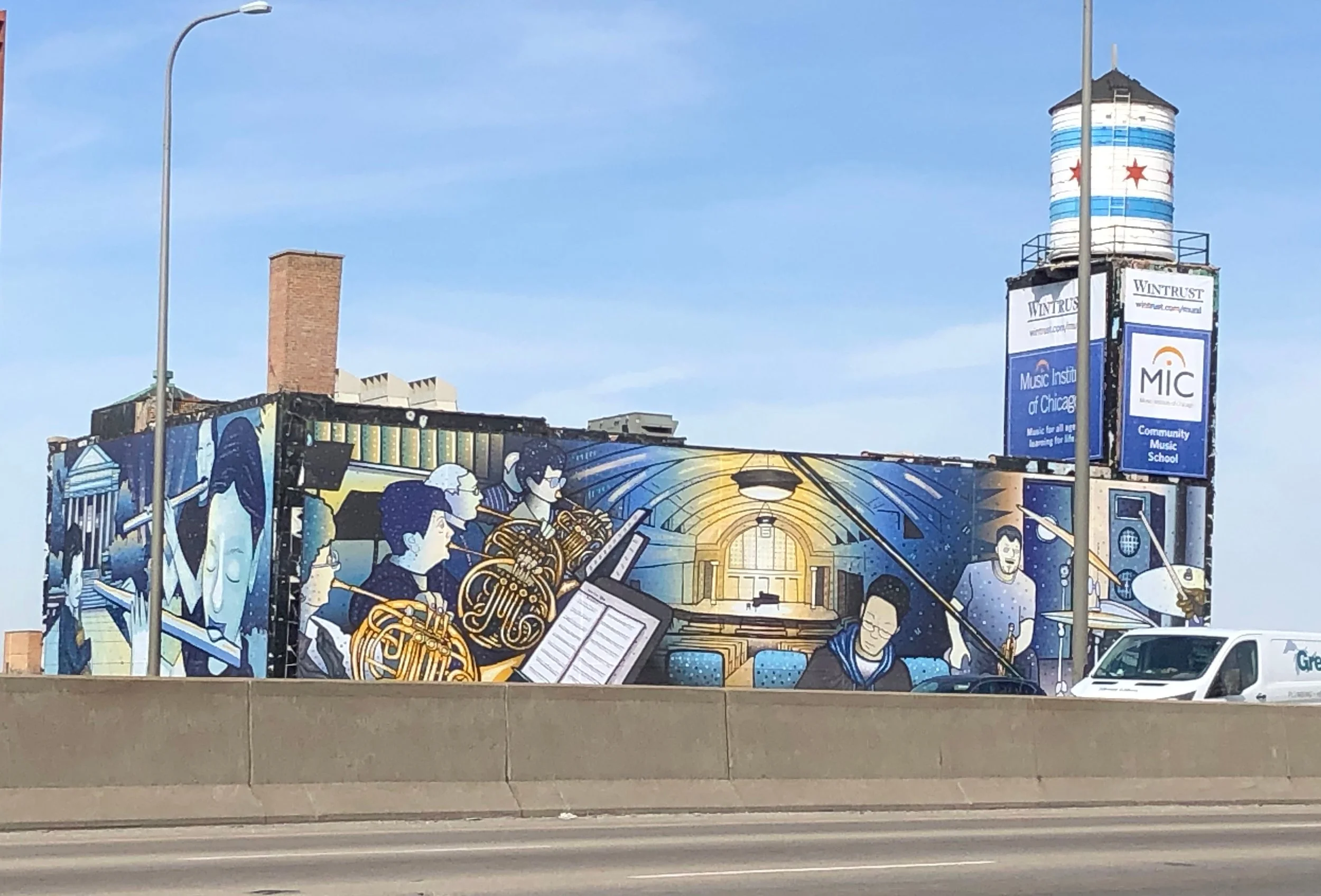



Robert Valadez
Community muralist / Cultural storytelling
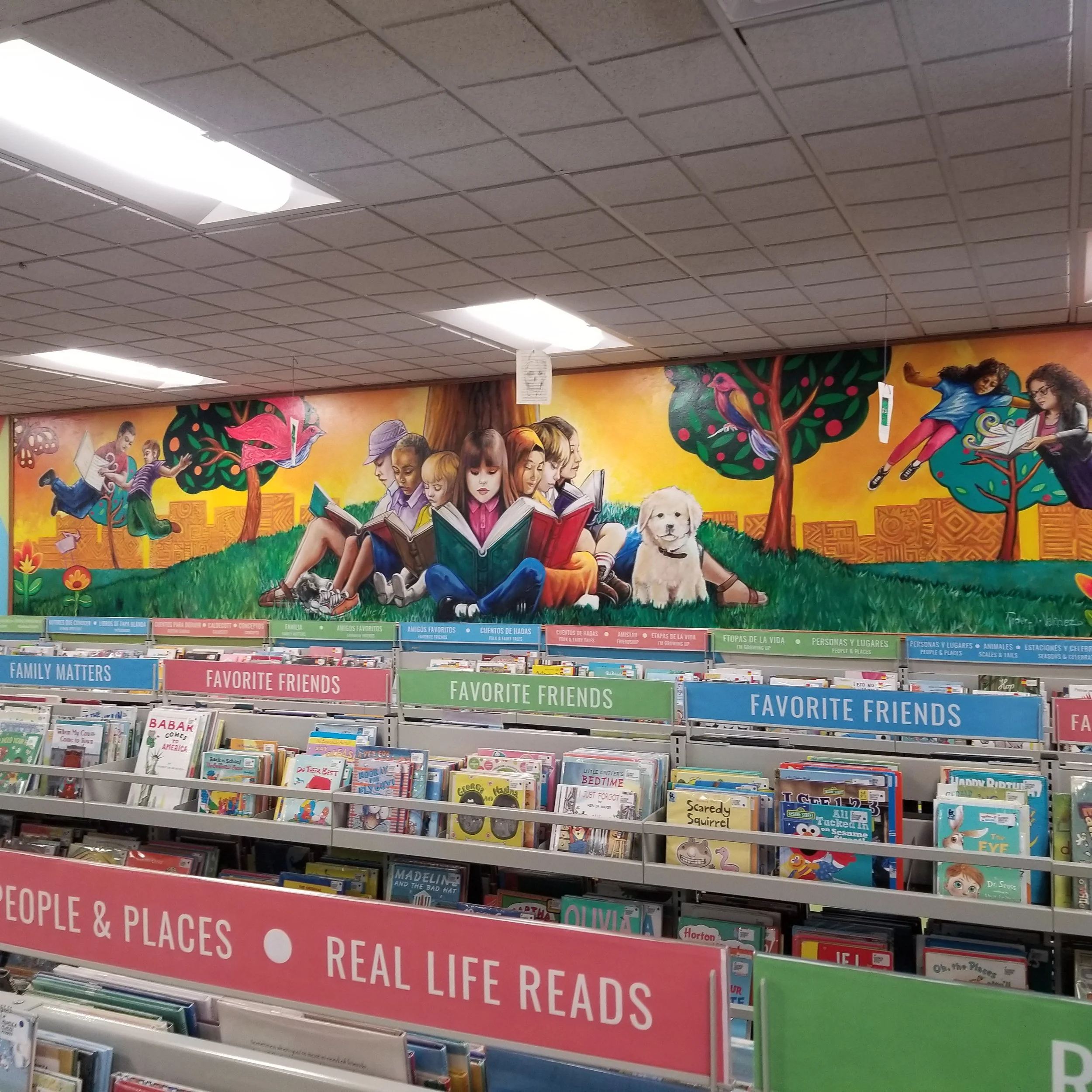
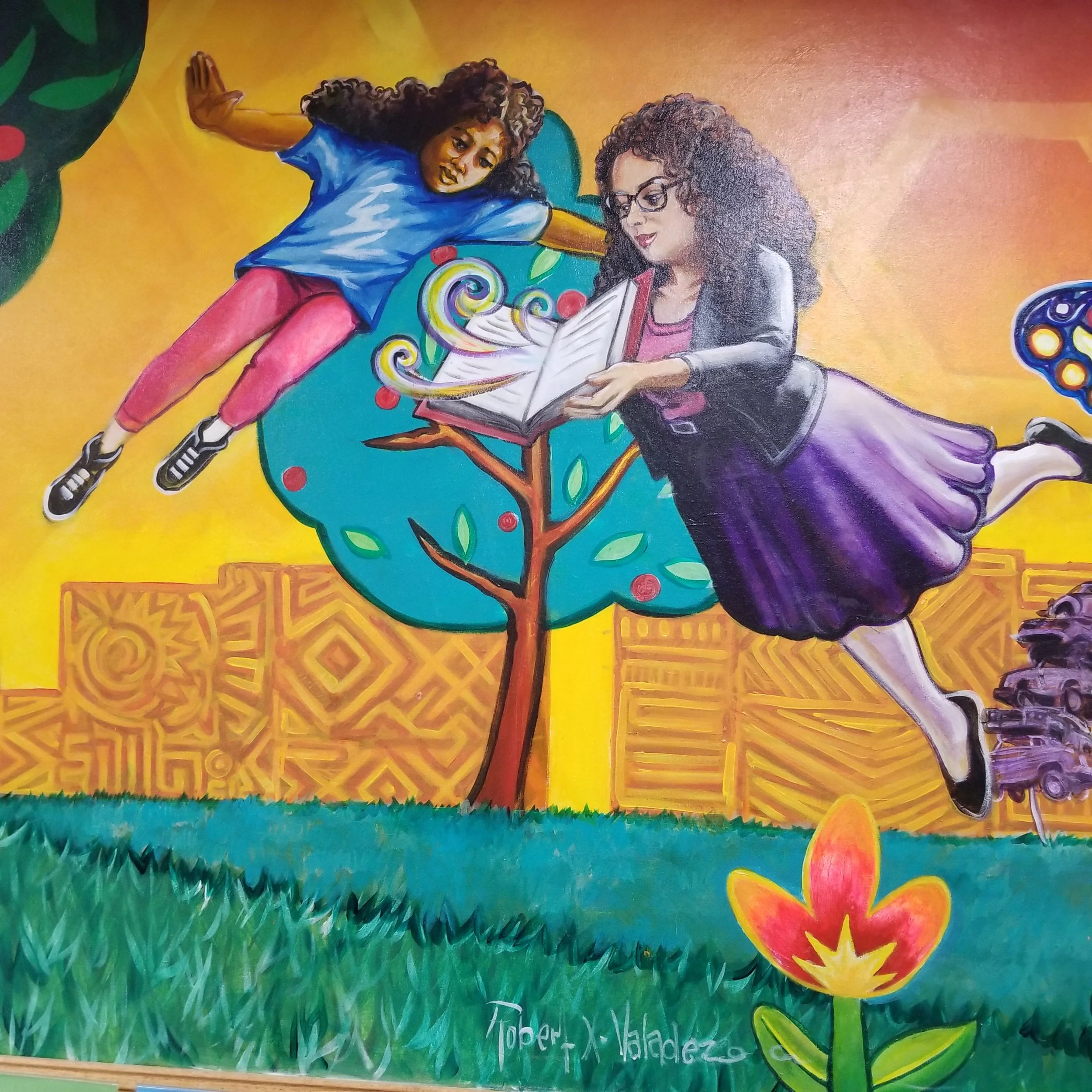
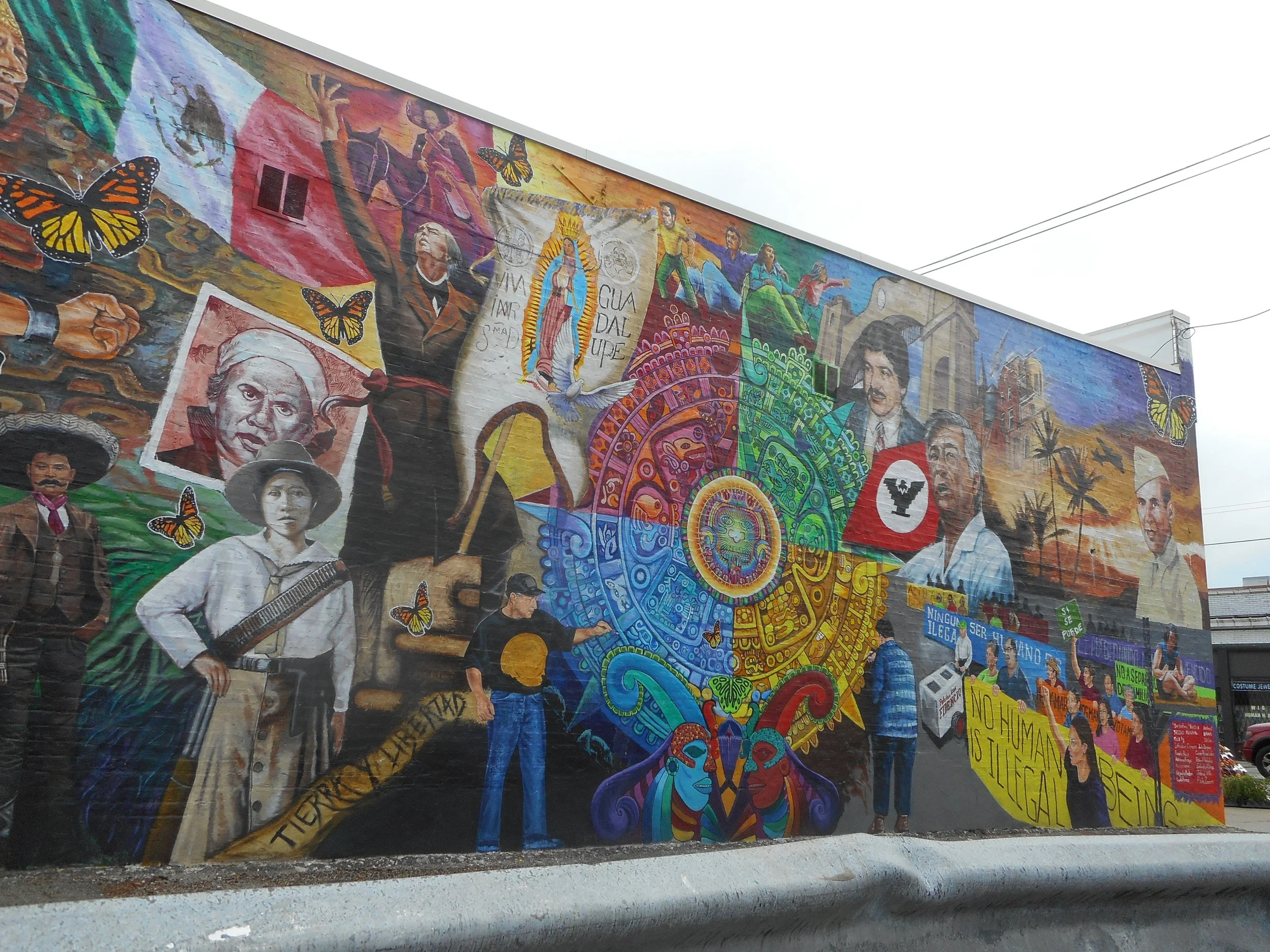
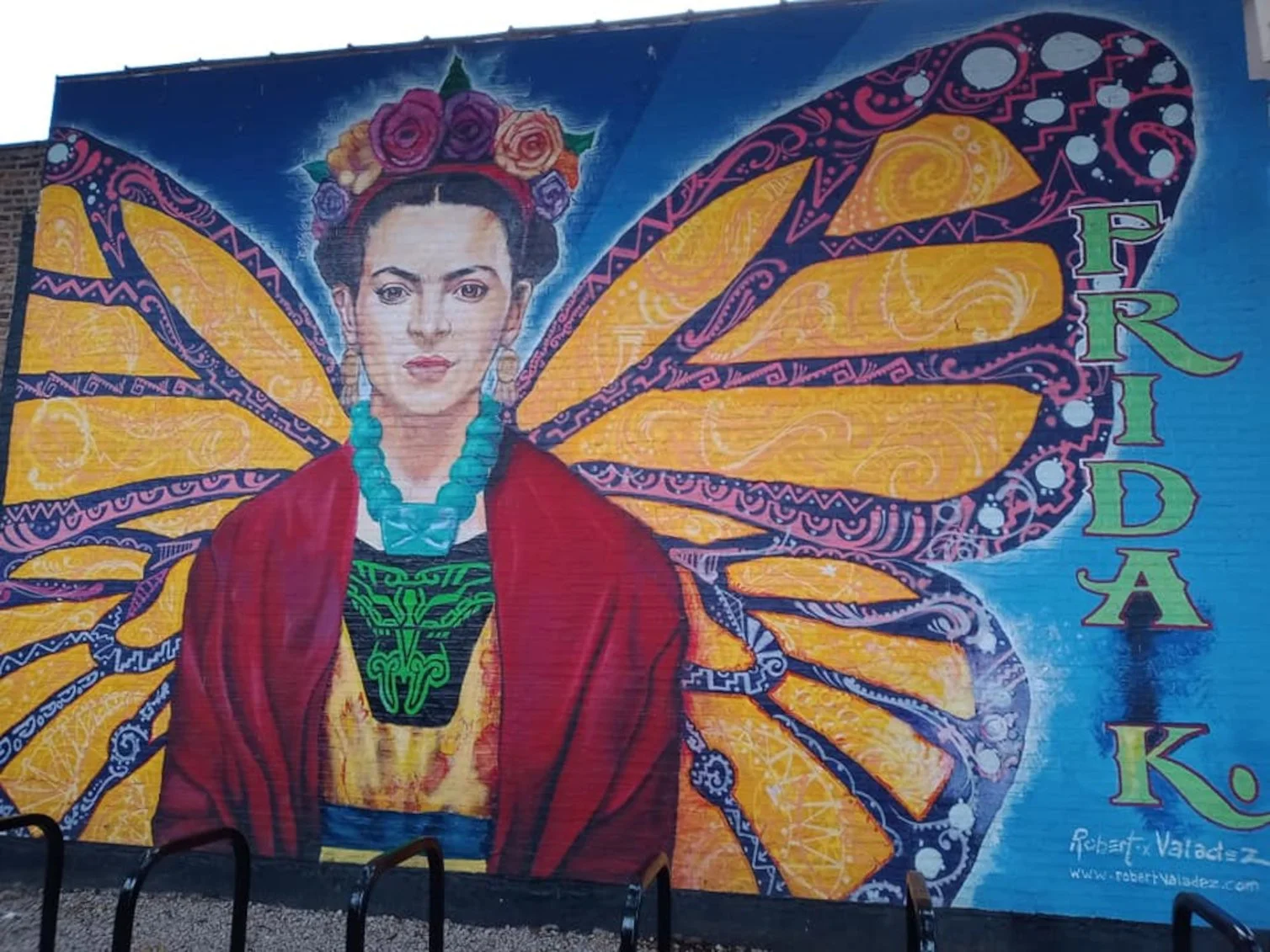
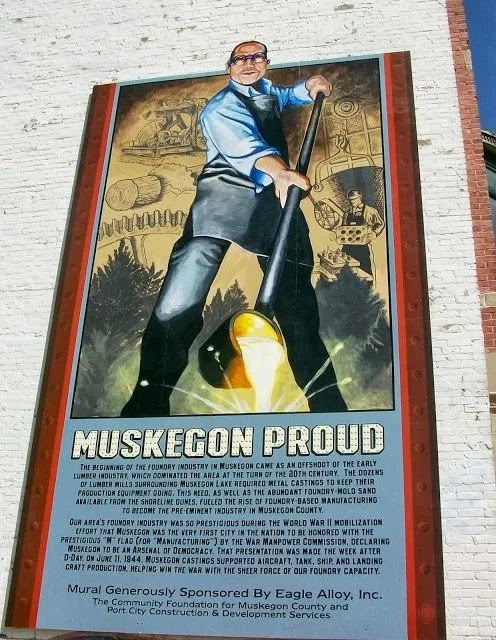
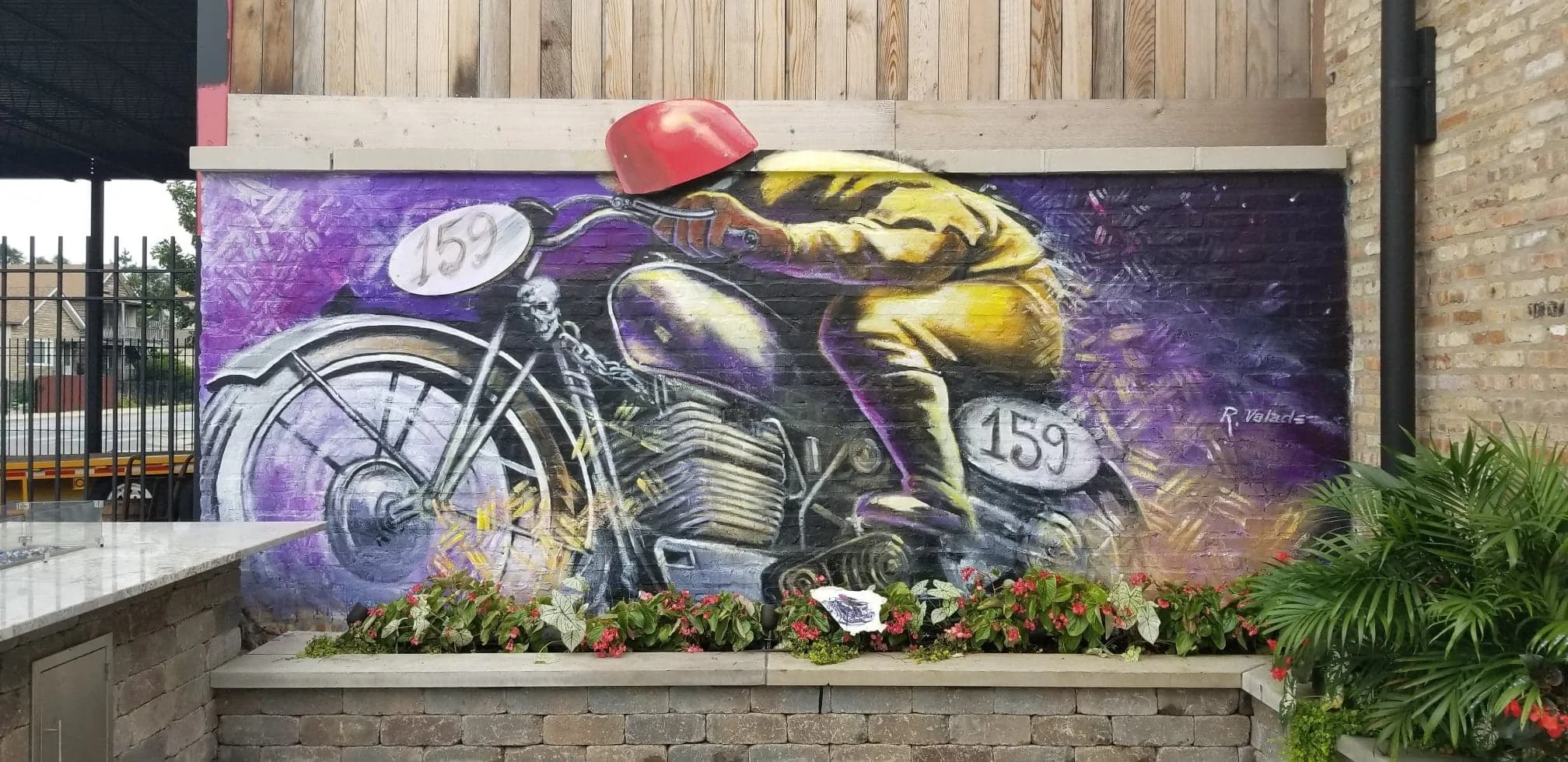
Robert Valadez is a lifelong Chicagoan and nationally recognized muralist whose work has deeply shaped the visual and cultural landscape of Mexican and Mexican-American communities throughout the city. Born and raised in Pilsen, Valadez came of age during the vibrant mural movement of the 1980s, contributing to landmark projects such as Esperanza at Benito Juarez High School and serving as artist-in-residence at the historic Casa Aztlán.
Valadez’s murals preserve and celebrate cultural memory by visually narrating the lived experiences, struggles, and contributions of Chicano and Mexican-American communities. His public art consistently honors past generations while uplifting current voices. Works such as Nuestra Historia / Our History (2016, updated 2024) exemplify this approach—reimagining a lost community mural with permission from the family of the original artist, and blending iconic historical figures with contemporary local heroes, labor leaders, and activists.
His creative process is grounded in collaboration. Whether working with schools, neighborhood organizations, or citywide institutions, Valadez integrates community storytelling, symbolism, and iconography into his public art. His partnerships have included the National Museum of Mexican Art, Cook County Health, Cristo Rey Jesuit High School, and numerous community-led initiatives, such as the Adelante mural in Sterling, Illinois.
Artistically, Valadez blends classical technique with vernacular imagery. His work draws on traditions of Mexican calendar art, Catholic devotional painting, Chicano iconography, and heroic portraiture. These layered visual narratives function as bridges between generations— testaments to identity, resilience, and belonging. His murals are not just technically accomplished; they are emotionally resonant and socially meaningful.
As an educator and mentor, Valadez has led youth mural programs through After School Matters, Gallery 37, and Yollocalli Arts Reach. His pedagogy centers student creativity, identity, and pride while fostering collaborative engagement and community impact. His role as a teaching artist reflects a lifelong commitment to passing on cultural knowledge through the arts.
In every facet of his practice, Robert Valadez embodies the values of cultural relevance, community engagement, and educational impact. His murals are enduring landmarks that serve not only as public art but also as living documents of Chicago’s cultural history.
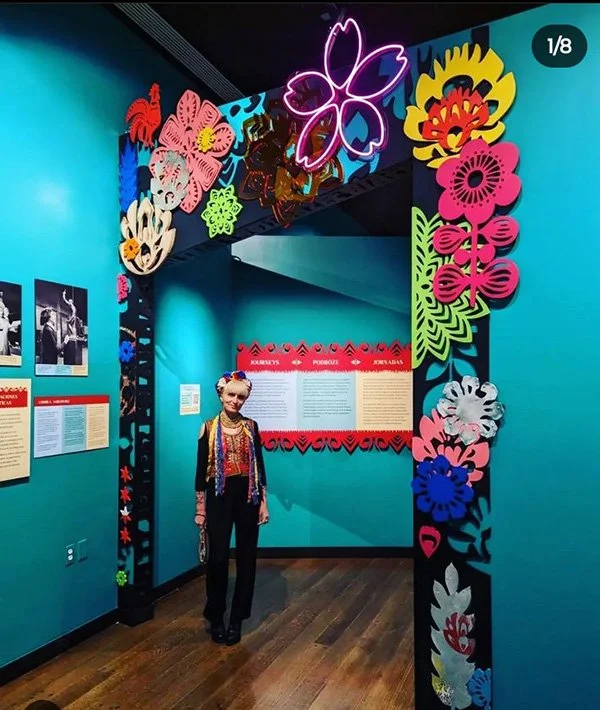
Andrea Jablonski
Sculptural installations / Interactive art
At heart, I am an explorer—constantly investigating the possibilities within materials and processes. My current focus is on fiber and textiles, using their tactile and transformative qualities to express ideas that often emerge through making. Knotting, wrapping, and layering are central to my practice, evoking both ritual and repair. My Eastern European heritage runs like a thread through all I create. Folk art, mythology, and utilitarian craft deeply inform my aesthetics and intentions. I seek to honor cultural traditions while exploring modern interpretations, threading connections between global craft practices. Weaving, for instance, is a universal technique, yet the distinct palettes and patterns of different regions deserve recognition and celebration. Color history and its cultural significance are central to my research. I explore how colors are perceived and interpreted across traditions, sharing these narratives with younger generations to deepen their understanding of heritage and identity. Ultimately, my practice is about hybridity—merging old and new, personal and political, rough and refined. I work intuitively, guided by the materials, through a process of accumulation and reinvention. There is importance to finding creative outlets and learning about traditions and cultural practices of whatever your heritage may be. Many practices are lost to time, and preservation—as well as modern interpretation—is foremost to me and my practice.